


The Complete Guide to Commercial Security Systems: CCTV, Access Control, Gates & Barriers for Modern Businesses
June 21, 2026Security has become one of the most critical priorities for modern businesses. Whether managing an office complex, warehouse, manufacturing facility, retail store, educational institution, or healthcare facility, protecting people, assets, and operations requires a comprehensive approach. Traditional security measures are no longer sufficient in a world where businesses face increasingly sophisticated threats, including theft, vandalism, unauthorized access, and cyber-physical security risks.
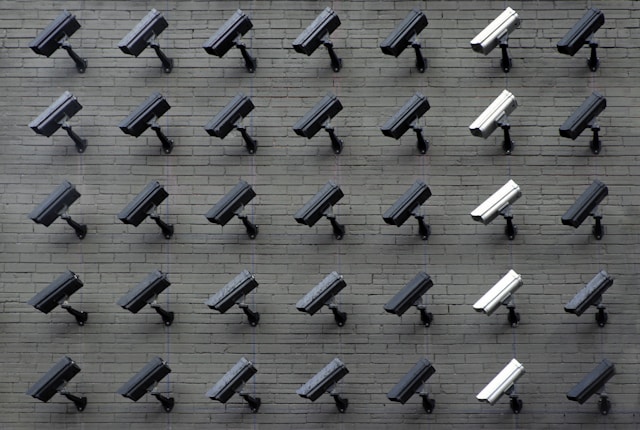
This is why many organizations are investing in integrated commercial security systems that combine CCTV systems, access control technologies, security gates, automatic barriers, alarm systems, and remote monitoring capabilities. When these systems work together, they create a multi-layered security strategy that significantly improves protection while enhancing operational efficiency.
This guide explores the essential components of commercial security systems, their benefits, and how businesses can implement effective solutions to safeguard their premises.
Understanding Commercial Security Systems
Commercial security systems are integrated technologies and processes designed to protect business premises, employees, visitors, equipment, and sensitive information. Rather than relying on a single security measure, modern businesses use multiple interconnected systems that provide continuous monitoring and control.
An effective security infrastructure typically includes:
- CCTV systems
- IP cameras
- Access control systems
- Security gates
- Automatic barriers
- ANPR cameras
- Intruder alarms
- Fire alarm integration
- Visitor management systems
- Remote monitoring solutions
Together, these components create a comprehensive security ecosystem capable of preventing incidents, detecting threats, and supporting rapid responses when emergencies occur.
Why Businesses Need Integrated Security
Businesses face numerous security challenges that can impact operations, finances, and reputation. Theft, unauthorized access, vandalism, and workplace safety incidents can lead to significant losses and disruptions.
Integrated security systems provide multiple layers of protection, making it more difficult for intruders to exploit vulnerabilities. Instead of operating independently, security technologies communicate with one another to improve situational awareness and response capabilities.
For example, an access control system can trigger CCTV cameras to record specific entry points whenever a door is opened. If an unauthorized access attempt occurs, security personnel can immediately review footage and take appropriate action.
Integrated security also provides centralized management, allowing business owners and facility managers to monitor all security functions from a single platform.
CCTV Systems: The Foundation of Modern Security
CCTV systems remain one of the most effective tools for protecting commercial properties. They provide continuous video surveillance, helping businesses monitor activities across their premises in real time.
Modern CCTV technology has evolved significantly beyond traditional analog cameras. Today’s systems deliver high-definition video, advanced analytics, and remote access capabilities.
Benefits of CCTV Systems
Crime Deterrence
Visible cameras discourage criminal activity by increasing the likelihood of detection and identification.
Incident Investigation
Recorded footage provides valuable evidence for investigating theft, vandalism, workplace accidents, and other security incidents.
Employee Safety
Surveillance systems help maintain a safe working environment by monitoring high-risk areas and identifying potential hazards.
Operational Oversight
Managers can use CCTV systems to monitor workflows, ensure compliance with procedures, and improve operational efficiency.
IP Cameras and Advanced Surveillance
IP cameras have become the preferred choice for commercial security installations. Unlike traditional systems, IP cameras transmit digital video over a network, offering enhanced image quality and flexibility.
Advanced features include:
- High-definition video resolution
- Night vision capabilities
- Motion detection
- Video analytics
- Cloud storage integration
- Remote viewing via smartphones and computers
These capabilities allow businesses to monitor operations anytime and from virtually any location.
Access Control Systems: Managing Who Can Enter
Access control systems regulate entry into buildings, rooms, and restricted areas. Instead of relying solely on traditional keys, organizations can use electronic credentials that offer greater security and flexibility.
Common access control methods include:
- Key cards
- Fobs
- PIN codes
- Mobile credentials
- Biometric authentication
Access control systems help businesses ensure that only authorized individuals can access specific areas.
Advantages of Access Control
Enhanced Security
Access permissions can be customized according to employee roles and responsibilities.
Audit Trails
Administrators can track entry and exit activity, providing valuable records for investigations and compliance purposes.
Reduced Key Management Issues
Electronic credentials eliminate many risks associated with lost or duplicated keys.
Flexible User Management
Access permissions can be updated instantly when employees join, leave, or change roles.
Solutions from leading providers such as Paxton Access Control have become popular because they combine ease of use with advanced security features.
Security Gates and Automatic Barriers
Physical perimeter security remains a crucial element of commercial protection. Security gates and automatic barriers help control vehicle access while creating a visible deterrent against unauthorized entry.
Businesses commonly install:
- Sliding gates
- Swing gates
- Rising arm barriers
- Bollard systems
- Industrial gate automation
These solutions are particularly valuable for warehouses, logistics centers, industrial sites, business parks, and private commercial facilities.
Benefits of Gates and Barriers
Controlled Vehicle Access
Only authorized vehicles can enter designated areas.
Improved Traffic Management
Automatic barriers help regulate vehicle movement and reduce congestion.
Enhanced Site Security
Perimeter controls create additional layers of protection against intrusion.
Integration with Other Systems
Gates and barriers can work alongside CCTV and access control systems to create a fully integrated security environment.
ANPR Cameras: Intelligent Vehicle Monitoring
Automatic Number Plate Recognition (ANPR) cameras provide an advanced method of vehicle identification and management.
ANPR technology automatically captures and analyzes vehicle registration numbers, allowing businesses to:
- Authorize vehicle access
- Monitor parking facilities
- Track vehicle movements
- Improve site security
- Generate vehicle activity reports
For commercial properties with significant vehicle traffic, ANPR cameras offer enhanced efficiency while reducing the need for manual monitoring.
Intruder Alarms and Threat Detection
Intruder alarm systems provide immediate notification when unauthorized access attempts occur.
Modern alarm systems can include:
- Door contacts
- Motion detectors
- Glass-break sensors
- Perimeter protection devices
- Remote alert systems
When triggered, alarms can notify security personnel, monitoring centers, or business owners instantly.
Combining intruder alarms with CCTV systems enables rapid verification of incidents and helps reduce false alarm responses.
Fire Alarm Integration for Comprehensive Protection
Security is not limited to preventing criminal activity. Businesses must also protect occupants from fire-related emergencies.
Fire alarm integration allows security systems to work alongside fire detection technologies, creating a unified safety infrastructure.
Benefits include:
- Faster emergency response
- Coordinated evacuation procedures
- Automated door releases
- Improved compliance with safety regulations
- Centralized monitoring
An integrated approach ensures that all safety systems work together during emergencies, helping protect both people and property.
Visitor Management Systems
Managing visitors effectively is essential for maintaining security while providing a positive experience for guests.
Visitor management systems help organizations:
- Register visitors digitally
- Issue temporary credentials
- Track visitor movements
- Maintain visitor logs
- Improve compliance procedures
When integrated with access control systems, visitor management platforms help ensure that guests only access authorized areas.
This is particularly important in sectors such as healthcare, education, manufacturing, and corporate offices.
Remote Monitoring and Security Management
One of the most significant advancements in commercial security is the ability to monitor systems remotely.
Remote monitoring enables authorized users to:
- View live CCTV footage
- Receive security alerts
- Manage access permissions
- Review incident reports
- Monitor multiple sites from a central location
Businesses with multiple locations particularly benefit from centralized monitoring capabilities, reducing management complexity while improving responsiveness.
Security Compliance and Risk Assessment
Security systems play a vital role in helping organizations meet legal and regulatory obligations.
Many industries require businesses to demonstrate adequate protection measures for employees, visitors, and assets.
A comprehensive risk assessment should identify:
- Vulnerable access points
- High-risk operational areas
- Potential threats
- Existing security gaps
- Compliance requirements
Based on these findings, businesses can implement appropriate security measures that align with industry standards and regulatory expectations.
Organizations often refer to respected industry bodies such as:
- National Security Inspectorate (NSI)
- Security Systems and Alarms Inspection Board (SSAIB)
- British Security Industry Association (BSIA)
Following recognized standards helps ensure that security installations meet professional requirements and best practices.
Business Premises Protection: A Long-Term Investment
Investing in commercial security systems should not be viewed as a cost alone. Effective security delivers long-term value through risk reduction, operational continuity, and asset protection.
Businesses that invest in comprehensive security solutions often experience:
- Lower theft-related losses
- Reduced insurance premiums
- Improved employee confidence
- Better regulatory compliance
- Enhanced business reputation
As security threats continue to evolve, proactive investment in modern security infrastructure becomes increasingly important.
How RJA Electrical Supports Commercial Security
RJA Electrical provides comprehensive commercial security solutions designed to meet the needs of modern businesses.
Services include:
CCTV Design and Installation
Custom-designed surveillance systems tailored to business requirements.
Access Control Systems
Secure and scalable access management solutions for commercial premises.
Electric Gates and Barriers
Automated perimeter security systems that improve site protection and traffic management.
Security Maintenance Services
Ongoing support and preventative maintenance to ensure optimal system performance.
Monitoring Solutions
Remote monitoring services that provide continuous oversight and rapid incident response.
By combining technical expertise with industry best practices, RJA Electrical helps businesses create integrated security environments that protect people, assets, and operations.
Conclusion
Commercial security has evolved far beyond standalone cameras and alarm systems. Today’s businesses require integrated solutions that combine CCTV systems, access control, security gates, automatic barriers, ANPR cameras, visitor management platforms, and fire alarm integration.
A layered security approach delivers stronger protection, improved operational efficiency, and enhanced regulatory compliance. By implementing modern commercial security systems and partnering with experienced providers such as RJA Electrical, businesses can create safer environments while protecting valuable assets and ensuring long-term resilience.