


Fire Alarm Installation & Maintenance in North East Scotland: SSAIB Certified Solutions
February 19, 2026Fire safety is not just a legal requirement for businesses in North East Scotland — it is a fundamental responsibility. From commercial offices in Aberdeen to industrial facilities in Stonehaven and retail premises across Aberdeenshire, having a properly installed and maintained fire alarm system can mean the difference between minor disruption and catastrophic loss.
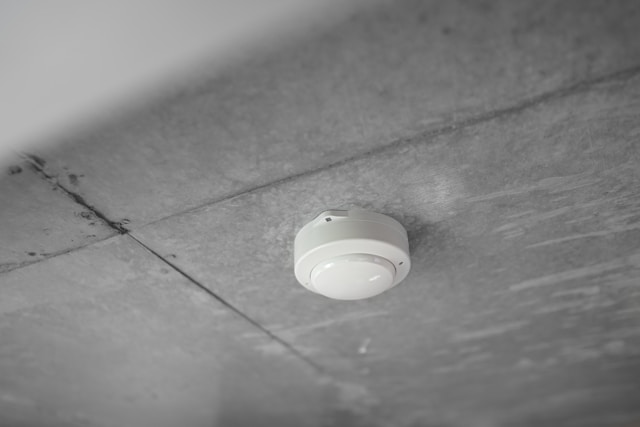
For property owners, facilities managers, and business operators, working with an SSAIB certified fire alarm installer ensures compliance, reliability, and peace of mind. This guide explores fire alarm installation, maintenance requirements, UK regulations, system types, and why certified solutions are critical in 2026.
Why Fire Alarm Systems Are Essential for Scottish Businesses
Fires can start from a wide range of causes, including:
- Electrical faults
- Overloaded circuits
- Faulty appliances
- Kitchen equipment
- Heating systems
- Arson
- Combustible storage
In commercial environments, risks are amplified due to:
- Higher occupancy levels
- Complex building layouts
- Machinery and electrical loads
- Flammable materials
- Restricted evacuation routes
A properly designed fire alarm system provides:
- Early detection
- Audible and visual warnings
- Faster evacuation
- Reduced property damage
- Increased life safety
In many cases, insurance policies and local authority approvals require professionally installed and certified systems.
Understanding SSAIB Certification
SSAIB (Security Systems and Alarms Inspection Board) is a recognised UK certification body that assesses companies installing fire detection and alarm systems. Certification demonstrates that a contractor meets industry standards for:
- Technical competence
- System design
- Installation quality
- Ongoing maintenance
- Compliance with British Standards
For customers in North East Scotland, choosing an SSAIB certified provider ensures the fire alarm system complies with BS 5839, the British Standard governing fire detection and alarm systems for buildings.
Fire Alarm System Categories Explained
Fire alarm systems in the UK are divided into categories depending on the level of protection required. These categories are defined in BS 5839.
Life Protection Systems (L Categories)
- L1 – Maximum life protection (detectors throughout the building)
- L2 – Additional life protection (high-risk areas covered)
- L3 – Standard life protection (escape routes covered)
- L4 – Modest life protection (escape routes only)
- L5 – Custom-designed protection for specific risks
Property Protection Systems (P Categories)
- P1 – Maximum property protection (full building coverage)
- P2 – Minimum property protection (high-risk areas only)
Selecting the correct category depends on:
- Building layout
- Occupancy type
- Fire risk assessment
- Insurance requirements
- Local authority guidance
An experienced fire alarm specialist will conduct a site survey and risk assessment before recommending the appropriate system.
Fire Alarm Installation Process in North East Scotland
Professional installation follows a structured process to ensure compliance and performance.
1. Fire Risk Assessment
Under the Fire (Scotland) Act 2005, businesses must carry out a fire risk assessment. This identifies:
- Potential ignition sources
- Vulnerable occupants
- Escape routes
- High-risk zones
2. System Design
A compliant design includes:
- Detector positioning
- Control panel location
- Sounder coverage
- Manual call point placement
- Zoning strategy
3. Installation
Installation may include:
- Smoke detectors
- Heat detectors
- Multi-sensor detectors
- Control panels
- Emergency sounders
- Visual alarms (beacons)
- Interface units
4. Commissioning & Certification
Once installed, the system is:
- Tested thoroughly
- Commissioned
- Documented
- Certified
Certification is essential for insurance and regulatory compliance.
Fire Alarm Maintenance Requirements
Installation is only the beginning. Fire alarm systems must be maintained regularly to remain compliant and functional.
According to BS 5839:
- Weekly user checks are recommended
- Quarterly or bi-annual professional inspections are required
- Annual full system servicing is mandatory
Failure to maintain systems can lead to:
- False alarms
- System failure
- Insurance invalidation
- Enforcement action
Below is a general maintenance schedule guideline:
| Maintenance Activity | Frequency | Responsible Party | Purpose |
|---|---|---|---|
| Call point test | Weekly | On-site responsible person | Confirm alarm activation |
| Visual inspection | Weekly | On-site responsible person | Check panel status & faults |
| Professional inspection | Every 3–6 months | Certified fire alarm contractor | Test detectors & system components |
| Full system service | Annually | SSAIB certified engineer | Ensure full compliance with BS 5839 |
Regular maintenance ensures that faults are identified before they become serious safety risks.
Common Fire Alarm System Types
Conventional Systems
- Divided into zones
- Suitable for small buildings
- More cost-effective
Addressable Systems
- Each device has a unique address
- Identifies exact location of activation
- Ideal for large or complex buildings
Wireless Fire Alarm Systems
- Reduced cabling
- Suitable for heritage buildings
- Faster installation
Integrated Fire & Security Systems
Modern facilities often integrate:
- Fire alarms
- Access control
- Intruder alarms
- CCTV systems
Integration improves response coordination and simplifies system management.
Fire Alarm Compliance in Scotland (2026 Update)
Commercial property owners in Scotland must comply with:
- Fire (Scotland) Act 2005
- Fire Safety (Scotland) Regulations 2006
- BS 5839 Standards
- Health & Safety at Work Act
The “Responsible Person” (typically employer or property owner) must ensure:
- A fire risk assessment is completed
- Systems are properly installed
- Maintenance is conducted
- Staff are trained
- Evacuation procedures are documented
Non-compliance can result in:
- Enforcement notices
- Prohibition notices
- Fines
- Criminal liability in severe cases
Fire & Security Integration for Modern Businesses
Forward-thinking companies in North East Scotland are moving toward integrated safety systems. Combining fire alarms with security systems provides:
- Centralised monitoring
- Faster emergency response
- Reduced operational costs
- Simplified maintenance contracts
This is particularly beneficial for:
- Industrial facilities
- Warehouses
- Multi-occupancy buildings
- Educational facilities
- Healthcare premises
An all-round electrical and fire safety provider can deliver a tailored package covering electrical testing, emergency lighting, CCTV, and fire detection under one contract.
Emergency Lighting & Fire Safety
Fire alarm systems must work in coordination with emergency lighting. In the event of power failure, emergency lighting ensures:
- Safe evacuation
- Visibility of escape routes
- Reduced panic
Emergency lighting systems must also be tested regularly under UK regulations.
Choosing the Right Fire Alarm Contractor in North East Scotland
When selecting a contractor, consider:
- SSAIB certification
- NICEIC accreditation (for electrical compliance)
- Experience in commercial and industrial sectors
- Ability to offer ongoing maintenance contracts
- 24/7 emergency call-out availability
A company with broad expertise in electrical, fire, and security systems offers added value by ensuring all safety systems work together seamlessly.
Benefits of a Contractual Maintenance Agreement
Many businesses choose contract-based service agreements because they provide:
- Scheduled inspections
- Priority emergency response
- Reduced downtime
- Budget predictability
- Compliance documentation
This is especially important for:
- Property management companies
- Multi-site businesses
- Public sector facilities
- Industrial operators
Contractual agreements simplify compliance and reduce administrative burden.
The Importance of Professional Documentation
Proper documentation includes:
- Installation certificates
- Commissioning reports
- Maintenance records
- Logbooks
- Risk assessment documentation
In the event of inspection, insurance claim, or incident investigation, these documents provide critical evidence of compliance.
Fire Alarm Trends in 2026
Fire safety technology continues to evolve. Current trends include:
- Smart fire panels with remote diagnostics
- Cloud-based monitoring
- Integration with building management systems
- Enhanced multi-sensor detection
- Reduced false alarm technology
Businesses investing in modern systems benefit from:
- Lower disruption
- Faster fault detection
- Reduced maintenance costs over time
Final Thoughts: Protecting Lives and Property in North East Scotland
Fire alarm installation and maintenance are not optional considerations for businesses — they are essential components of responsible building management. In North East Scotland, where commercial, industrial, and residential developments continue to grow, ensuring compliance with UK fire safety regulations is critical.
Working with an SSAIB certified contractor ensures:
- Systems meet British Standards
- Installation is carried out correctly
- Maintenance is consistent and documented
- Businesses remain legally compliant
- Occupants remain protected
From initial design and installation to ongoing maintenance and emergency support, professional fire alarm solutions provide long-term protection and operational peace of mind.
In a region where safety standards are rigorously enforced, investing in certified fire alarm systems is not just about compliance — it is about safeguarding people, property, and business continuity for years to come.