



Design and Installation of Electrical Systems: What to Expect from Professional Electricians
March 10, 2026Electrical systems are the backbone of modern homes, businesses, and industrial facilities. From powering everyday appliances to supporting complex security systems and lighting networks, a properly designed electrical system ensures safety, efficiency, and long-term reliability. The design and installation of electrical systems require technical expertise, careful planning, and strict adherence to safety regulations.
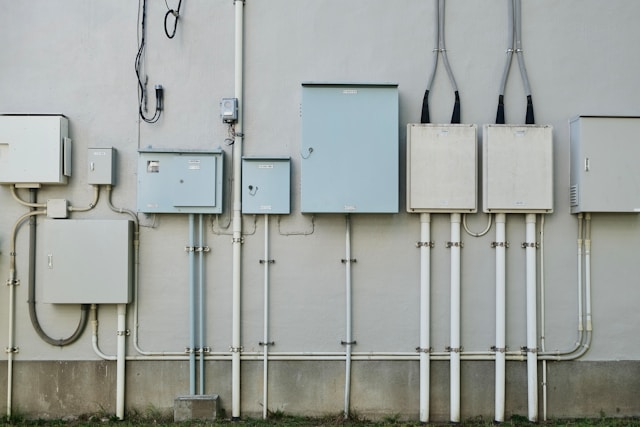
Professional electricians play a crucial role in this process. Their work goes beyond simply connecting wires and installing outlets. They analyze electrical requirements, design infrastructure that supports current and future needs, and ensure that installations meet industry standards. Whether the project involves a residential home, commercial building, or security system installation, professional electricians bring the knowledge and experience necessary to complete the job safely and efficiently.
Understanding what to expect from professional electrical design and installation can help property owners make informed decisions when planning electrical upgrades or new construction projects.
The Importance of Electrical System Design
Electrical system design is the first and most critical step in any electrical project. Before installation begins, electricians must evaluate the building’s electrical needs and create a plan that supports safe and efficient power distribution.
Electrical design considers several factors, including the size of the building, the number of electrical devices, lighting requirements, safety systems, and future expansion needs. A well-designed electrical system ensures that circuits are balanced, power loads are distributed correctly, and the infrastructure can support the demands placed upon it.
Professional electricians also consider the integration of modern technologies such as security systems, emergency lighting, automated gates, and CCTV installations. Planning these systems early in the design stage helps prevent costly modifications later.
Without proper electrical design, buildings may experience overloaded circuits, inefficient power usage, and increased risk of electrical hazards.
Initial Assessment and Consultation
Every electrical project begins with a consultation and site assessment. During this stage, electricians gather important information about the property and its electrical requirements.
This process may include evaluating the existing electrical system, reviewing architectural plans, and discussing the client’s goals for the project. For example, a homeowner may want to upgrade an older property with modern wiring, while a business owner may require advanced security systems and access control installations.
The electrician also examines factors such as power supply capacity, building layout, safety requirements, and local electrical regulations. By understanding these factors, electricians can create a customized design plan that addresses both functional needs and safety considerations.
The consultation stage also provides an opportunity for property owners to ask questions and understand the scope of the electrical work involved.
Electrical Infrastructure Planning
Once the assessment is complete, electricians begin planning the electrical infrastructure. Electrical infrastructure refers to the network of components that distribute power throughout the building.
This infrastructure typically includes wiring systems, circuit breakers, distribution boards, outlets, lighting fixtures, and specialized systems such as emergency lighting or security equipment.
Proper infrastructure planning ensures that each circuit can safely handle the electrical load assigned to it. Electricians calculate power requirements for appliances, lighting systems, and electronic equipment to prevent circuit overload.
In addition, electricians must consider how power will flow throughout the building. Efficient circuit layouts minimize energy loss and help maintain stable electrical performance.
Wiring and Circuit Installation
Wiring installation is one of the most critical aspects of electrical system installation. The wiring network carries electricity from the main power source to outlets, lighting fixtures, appliances, and equipment.
Professional electricians carefully route wiring through walls, ceilings, and floors while ensuring that cables are protected and properly insulated. This process requires precision and compliance with safety standards to prevent electrical hazards such as short circuits or overheating.
Electricians also install circuit breakers and electrical panels that control the flow of electricity throughout the building. These components protect the system by automatically shutting off power if an electrical fault occurs.
Proper wiring installation ensures that electrical systems remain safe, reliable, and capable of supporting modern technology.
Installation of Lighting Systems
Lighting systems are a key component of electrical design and installation. Lighting affects both functionality and atmosphere within a building, making careful planning essential.
Electricians install various types of lighting systems depending on the property’s needs. Residential homes may require ambient lighting, task lighting, and decorative fixtures, while commercial properties often rely on efficient overhead lighting and specialized illumination for workspaces.
Emergency lighting is another important feature in many buildings. These systems provide illumination during power outages, helping occupants safely exit the building in emergency situations.
Professional electricians ensure that lighting systems are properly wired, energy-efficient, and positioned to maximize visibility and comfort.
Security and Access Control Systems
Modern electrical installations often include security and access control systems that enhance property safety. These systems rely on electrical infrastructure to operate effectively.
Security installations may include CCTV cameras, motion detectors, alarm systems, and electronic access control devices. Automated gates and barrier systems also depend on electrical connections for operation and monitoring.
Professional electricians ensure that these systems are integrated smoothly with the building’s electrical network. Proper installation ensures that security systems remain reliable and function correctly when needed.
By incorporating security features during the electrical design stage, property owners can achieve a more comprehensive and efficient protection system.
Testing and Safety Compliance
After installation is complete, electricians conduct thorough testing to verify that the system functions correctly and safely. Electrical testing is a critical step that helps identify potential issues before the system is placed into regular use.
Testing may involve checking voltage levels, inspecting wiring connections, verifying circuit breaker performance, and ensuring that all components operate as intended.
Professional electricians also ensure that installations comply with national and local electrical regulations. Compliance with these standards helps prevent accidents and ensures that the electrical system meets safety requirements.
Electrical safety inspections provide peace of mind for property owners and help confirm that the system is ready for long-term use.
Maintenance and Ongoing Support
Electrical systems require regular maintenance to maintain performance and safety. Over time, components may wear out, connections may loosen, and electrical loads may change as new devices are added.
Professional electricians offer maintenance services that include system inspections, repairs, and upgrades. These services help prevent potential problems and extend the lifespan of electrical infrastructure.
Routine electrical maintenance can identify issues such as damaged wiring, overloaded circuits, or outdated electrical panels. Addressing these problems early helps reduce the risk of electrical failures and costly repairs.
For businesses, regular maintenance is especially important because electrical problems can disrupt operations and lead to downtime.
Benefits of Hiring Professional Electricians
Hiring professional electricians for electrical design and installation provides several important advantages. Experienced electricians possess the training and certifications required to perform complex electrical work safely.
They understand electrical codes and safety regulations, ensuring that installations meet industry standards. Professional electricians also have access to specialized tools and equipment that allow them to complete projects efficiently and accurately.
In addition, professional electricians can recommend solutions that improve energy efficiency and system reliability. Their expertise helps property owners avoid common mistakes that could lead to costly repairs or safety hazards.
Key Components of an Electrical System
The following table outlines the major components typically included in a professionally designed electrical system and their functions.
| Electrical Component | Function | Importance |
|---|---|---|
| Electrical Panel | Distributes electricity to circuits throughout the building | Central control point for electrical power |
| Circuit Breakers | Protect circuits by stopping power flow during faults | Prevents overheating and electrical fires |
| Wiring System | Carries electricity to outlets, lighting, and equipment | Essential for power distribution |
| Lighting Fixtures | Provide illumination for rooms and workspaces | Improves visibility and safety |
| Emergency Lighting | Activates during power outages | Supports safe evacuation in emergencies |
| Security Systems | Includes CCTV, alarms, and access control | Enhances property protection |
| Outlets and Switches | Provide access to electricity for devices and lighting control | Supports daily electrical usage |
Planning for Future Electrical Needs
A well-designed electrical system should not only meet current requirements but also anticipate future needs. As technology continues to evolve, homes and businesses may require additional electrical capacity to support new devices and systems.
For example, electric vehicle chargers, smart home systems, advanced security technologies, and energy-efficient lighting solutions are becoming increasingly common.
Professional electricians often design electrical systems with expansion capabilities in mind. By allowing space in electrical panels and installing flexible wiring infrastructure, electricians make it easier to add new components later without extensive renovations.
Planning ahead helps property owners avoid costly upgrades and ensures that the building remains adaptable to changing technology.
Electrical Design for Safety and Efficiency
Safety is the most important consideration in any electrical installation. Faulty wiring or overloaded circuits can lead to serious hazards such as electrical fires, equipment damage, and power outages.
Professional electricians use proper grounding techniques, protective devices, and high-quality materials to ensure that systems operate safely. They also follow strict installation procedures that reduce the risk of electrical faults.
Energy efficiency is another important aspect of modern electrical design. Efficient electrical systems reduce energy consumption while maintaining reliable performance. Electricians may recommend energy-saving lighting systems, smart control devices, and optimized circuit layouts that reduce unnecessary power usage.
These improvements help property owners lower energy costs while contributing to environmental sustainability.
Conclusion
The design and installation of electrical systems are complex processes that require professional expertise, careful planning, and strict adherence to safety standards. From initial consultation and system design to wiring installation, lighting setup, and security system integration, professional electricians play a vital role in creating safe and reliable electrical infrastructure.
A properly designed electrical system ensures that homes and businesses have access to consistent power while supporting modern technology and safety features. Through expert planning, high-quality installation, and ongoing maintenance, professional electricians help property owners protect their investment and maintain efficient electrical performance for years to come.
By understanding the steps involved in electrical system design and installation, property owners can better appreciate the importance of working with experienced professionals who are committed to delivering safe, dependable, and future-ready electrical solutions.