



How Integrated Fire Alarms, CCTV & Monitoring Systems Improve Workplace Safety
June 1, 2026Workplace safety is no longer achieved through standalone security measures. Modern businesses require a comprehensive approach that combines fire detection, surveillance, monitoring, and emergency response into one unified solution. This is where integrated security systems play a critical role.
By connecting fire alarm systems, IP CCTV systems, monitoring services, access control, and emergency lighting through a centralized platform, organizations can respond to incidents faster, reduce risks, and create safer environments for employees, visitors, and assets.
What Are Integrated Security Systems?
An integrated security system combines multiple safety and security technologies into a single platform. Instead of operating independently, fire alarms, CCTV cameras, monitoring centers, access control systems, and building management systems work together to provide real-time awareness and coordinated responses.
The primary goal of integration is to eliminate communication gaps between systems and ensure critical information reaches the right people immediately during an emergency.
The Role of Fire Alarm Systems in Workplace Safety
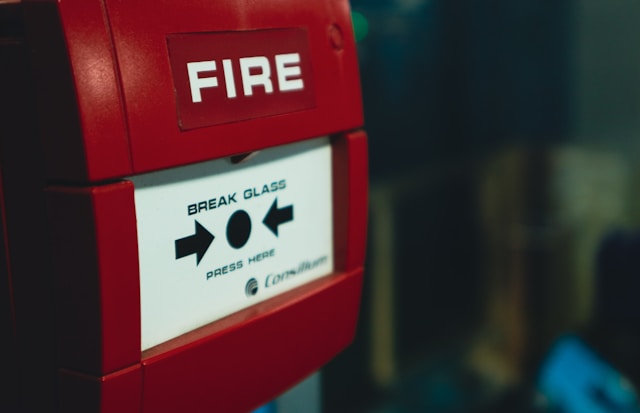
Fire alarm systems are often the first line of defense against workplace hazards. These systems consist of smoke detectors, heat sensors, alarm sounders, and fire alarm control panels that continuously monitor a building for signs of fire.
When a threat is detected, the system can:
- Trigger audible and visual alarms
- Notify building occupants
- Activate emergency evacuation procedures
- Alert monitoring centers
- Integrate with fire suppression systems such as sprinklers
Early detection significantly reduces the risk of injuries, fatalities, and property damage. Compliance with standards such as BS 5839 also helps organizations meet legal and safety requirements.
How IP CCTV Systems Enhance Incident Response
While fire alarms detect potential dangers, IP CCTV systems provide visual verification of events in real time.
Modern video surveillance systems use:
- High-definition IP cameras
- Network Video Recorders (NVRs)
- Video Management Software (VMS)
- Motion detection technology
- AI-powered analytics
When a fire alarm activates, CCTV cameras can immediately provide live footage to security personnel or monitoring centers. This allows responders to assess the situation, identify the source of the incident, and determine the most appropriate course of action.
In addition to emergency situations, CCTV systems help deter crime, investigate incidents, and improve overall workplace security.
Why Monitoring Systems Are Essential
Monitoring systems provide continuous oversight of workplace safety infrastructure. Whether through remote monitoring centers, alarm monitoring services, or cloud-based platforms, these systems ensure that alerts never go unnoticed.
Key advantages include:
- 24/7 surveillance
- Immediate escalation of emergencies
- Faster communication with emergency services
- Reduced dependence on on-site personnel
- Enhanced visibility across multiple locations
When integrated with fire alarms and CCTV systems, monitoring services can verify incidents quickly and coordinate emergency responses more effectively.
Supporting Systems That Strengthen Safety
Emergency Lighting Systems
During a fire or power outage, emergency lighting systems provide the visibility occupants need to evacuate safely. These systems automatically activate when normal power is disrupted and work alongside fire alarms to support emergency procedures.
Access Control Systems
Access control systems use keycards, PIN codes, and biometric verification to regulate building entry. During emergencies, integrated systems can automatically unlock designated exits, restrict access to hazardous areas, and provide emergency responders with safer building access.
When linked with CCTV systems, access control solutions also create an additional layer of security through identity verification and activity tracking.
Data Networks
Reliable data networks are the backbone of every integrated security system. Structured cabling and wireless infrastructure enable continuous communication between devices, ensuring information flows quickly and accurately during critical events.
The Importance of Integration Through Building Management Systems
A Building Management System (BMS) serves as the central hub for workplace safety technologies.
Through a single dashboard, facility managers can monitor and control:
- Fire alarm systems
- CCTV systems
- Access control systems
- Emergency lighting
- HVAC systems
- Other building infrastructure
A BMS can automate critical actions during emergencies. For example, when a fire alarm is triggered, the system may automatically unlock evacuation routes, activate emergency lighting, notify monitoring centers, and display relevant CCTV footage.
This level of automation reduces human error and accelerates emergency response times.
How IoT and Cloud Technology Improve Workplace Safety
The Internet of Things (IoT) has transformed modern security infrastructure by enabling devices to communicate in real time.
IoT-enabled security systems offer:
- Continuous system health monitoring
- Predictive maintenance alerts
- Real-time status updates
- Improved operational efficiency
Cloud platforms further enhance integration by providing remote access, centralized data storage, and advanced analytics. Security teams can monitor facilities from virtually anywhere while maintaining visibility over all connected systems.
The Incident Detection to Response Workflow
An integrated security environment creates a seamless safety workflow:
1. Detection
Smoke detectors or heat sensors identify a potential hazard and activate the fire alarm system.
2. Verification
IP CCTV cameras provide real-time video verification of the incident.
3. Notification
Monitoring systems immediately notify designated personnel and emergency responders.
4. Emergency Activation
Emergency lighting systems activate while access control systems manage safe evacuation routes.
5. Response
Emergency services receive accurate information and can respond more effectively.
This coordinated process minimizes delays and improves outcomes during critical situations.
Key Benefits of Integrated Workplace Safety Systems
Faster Response Times
Rapid detection and verification reduce the time required to react to emergencies, helping minimize injuries and property damage.
Improved Decision-Making
Real-time monitoring and video verification provide actionable information that supports informed decisions during incidents.
Reduced Human Error
Automation ensures critical actions occur immediately without relying solely on manual intervention.
Better Risk Assessment
Integrated data from multiple systems creates a more complete understanding of workplace risks and vulnerabilities.
Enhanced Crime Prevention
Continuous surveillance and access control measures help deter theft, vandalism, and unauthorized access.
Risks of Operating Separate Safety Systems
Organizations that rely on disconnected systems often face significant challenges, including:
- Delayed emergency response
- Communication failures between departments
- Increased property damage
- Higher operational risks
- Compliance issues with safety regulations
Without integration, critical information may not reach decision-makers quickly enough during an emergency.
Industry Applications
Commercial Buildings
Office buildings and retail environments use integrated systems to protect employees, customers, and business assets.
Industrial Facilities
Factories and warehouses benefit from enhanced hazard detection, equipment protection, and rapid emergency response capabilities.
Healthcare Facilities
Hospitals and care homes require coordinated safety systems to protect vulnerable occupants and maintain continuous operations during emergencies.
Best Practices for Implementing Integrated Security Systems
To maximize workplace safety, organizations should:
- Perform regular testing and maintenance
- Ensure compliance with applicable safety regulations
- Invest in scalable and future-ready technology
- Train staff on emergency procedures
- Work with certified electrical and security professionals
- Regularly review security and evacuation plans
Conclusion
Integrated fire alarms, CCTV systems, and monitoring services provide a powerful foundation for workplace safety. By connecting critical technologies through a centralized platform, organizations can improve visibility, accelerate emergency response, reduce risks, and create safer environments for everyone on site.
As businesses continue to adopt smarter buildings and connected technologies, integrated security systems will become an increasingly important investment in operational resilience, compliance, and long-term safety.